Indian vegetarian · cooked and tested at home
Recipes you cook along with, not from.
Most recipes hand you a wall of text and wish you luck. The hard part was never the ingredient list — it is knowing how long something really takes, what flame it should be on, and how to tell when it is done.
Your nose knows before the timer does.
Older, younger and further travelled than you'd think
Not much in an Indian kitchen is as old as it looks, and a fair amount of it arrived by boat. Swipe through — every claim links to where we got it.
Idli
The first idli had no rice in it
The oldest known mention is in the Kannada Vaddaradhane of 920 CE, which describes iddalige made from black gram batter alone — no rice, no fermentation, no steaming. Three of the things that make an idli an idli today came later.
Source →Chilli
Indian food ran on pepper until the 1500s
Chilli is not native to India. The Portuguese carried it over from Mexico in the sixteenth century, which puts every chilli-hot dish in the country at under five hundred years old — younger than the buildings some of them are cooked in.
Source →Jalebi
Jalebi arrived with its name still on it
From the Arabic zulabiya, by way of the Persian zolbiya. The earliest Indian mention turns up in a Jain text of around 1450 CE, where it is served at a wealthy merchant’s dinner.
Source →Samosa
The samosa came overland, and it was baked
The name goes back to the Middle Persian sambosag, and Amir Khusrau has nobles at the Delhi court eating them around 1300 CE. The Middle Eastern pastry it descends from was baked rather than fried.
Source →Chai
Daily chai is roughly a lifetime old
Tea drinking was not a common habit among Indians through the first half of the twentieth century. The Indian Tea Market Expansion Board, formed in 1935, advertised it into existence — down to instructing people on the correct way to make a cup.
Source →Coffee
Seven beans, if you believe it
Indian lore has the Sufi saint Baba Budan carrying seven coffee beans out of the Yemeni port of Mocha in the seventeenth century and planting them in the Chikmagalur hills. It is a legend rather than a documented event. The hills carry his name regardless.
Source →
Mise en place is future you, thanked.
Every stove lies. Learn yours.
How cooking here works
- 1
Check you have everything
A visual list before anything starts. Discovering there are no curry leaves halfway through is the classic way this goes wrong.
- 2
Press start
One step at a time, in type you can read from across the counter. Your screen stays awake for the whole cook.
- 3
Timers that know the difference
Every step that needs one gets a timer — and a cue for what to actually look for, because no timer knows your stove.
- 4
The flame, called out
When the heat needs to change, it says so. Transitions are where dishes are really ruined.
Read it twice before you light the gas.
Latest recipes
All 52 →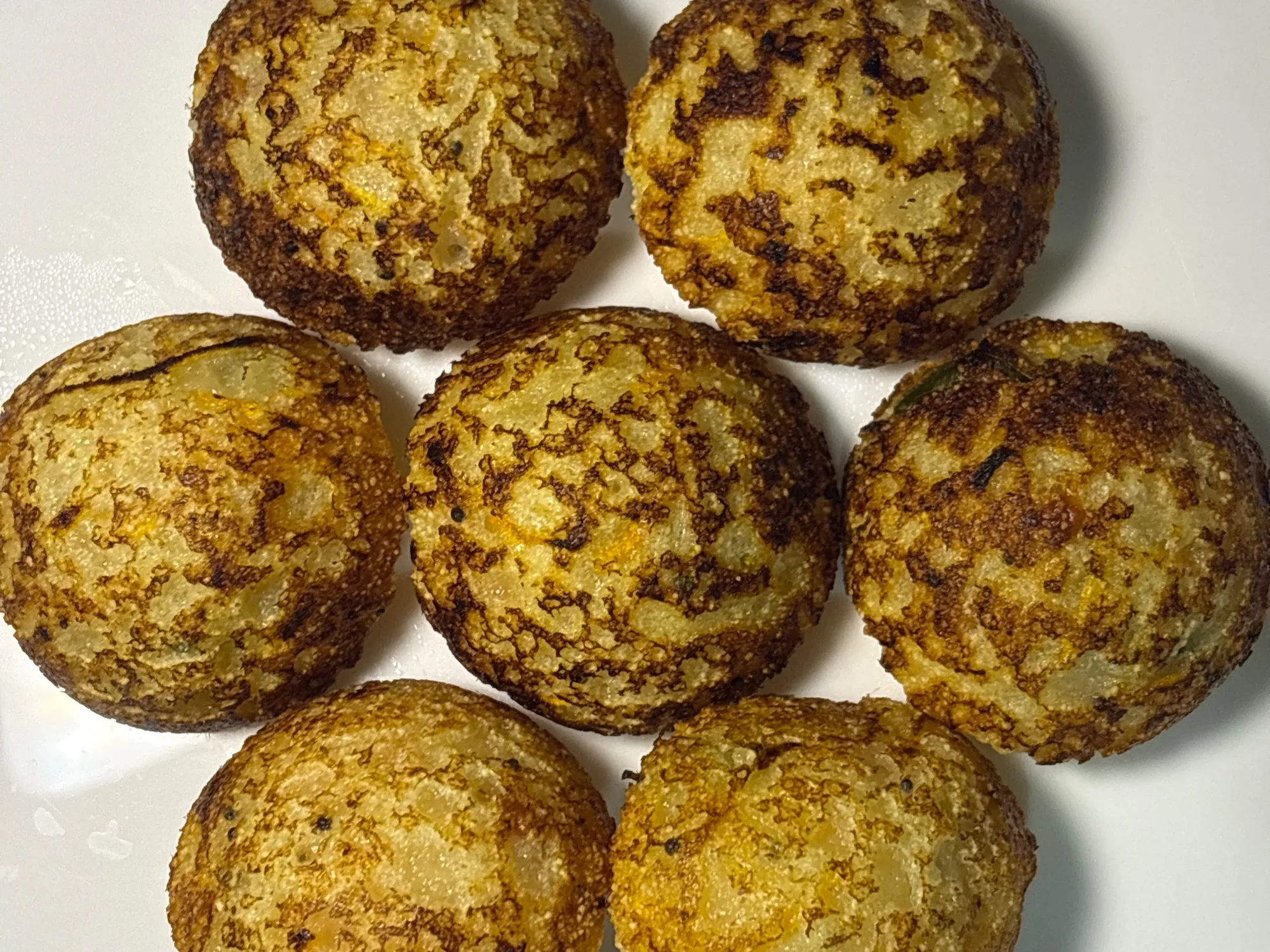
Rava Paniyaram
Little browned semolina balls cooked in an appe pan — round, soft and exactly the size a three-year-old can pick up without help.
46 min21 min hands onserves 4
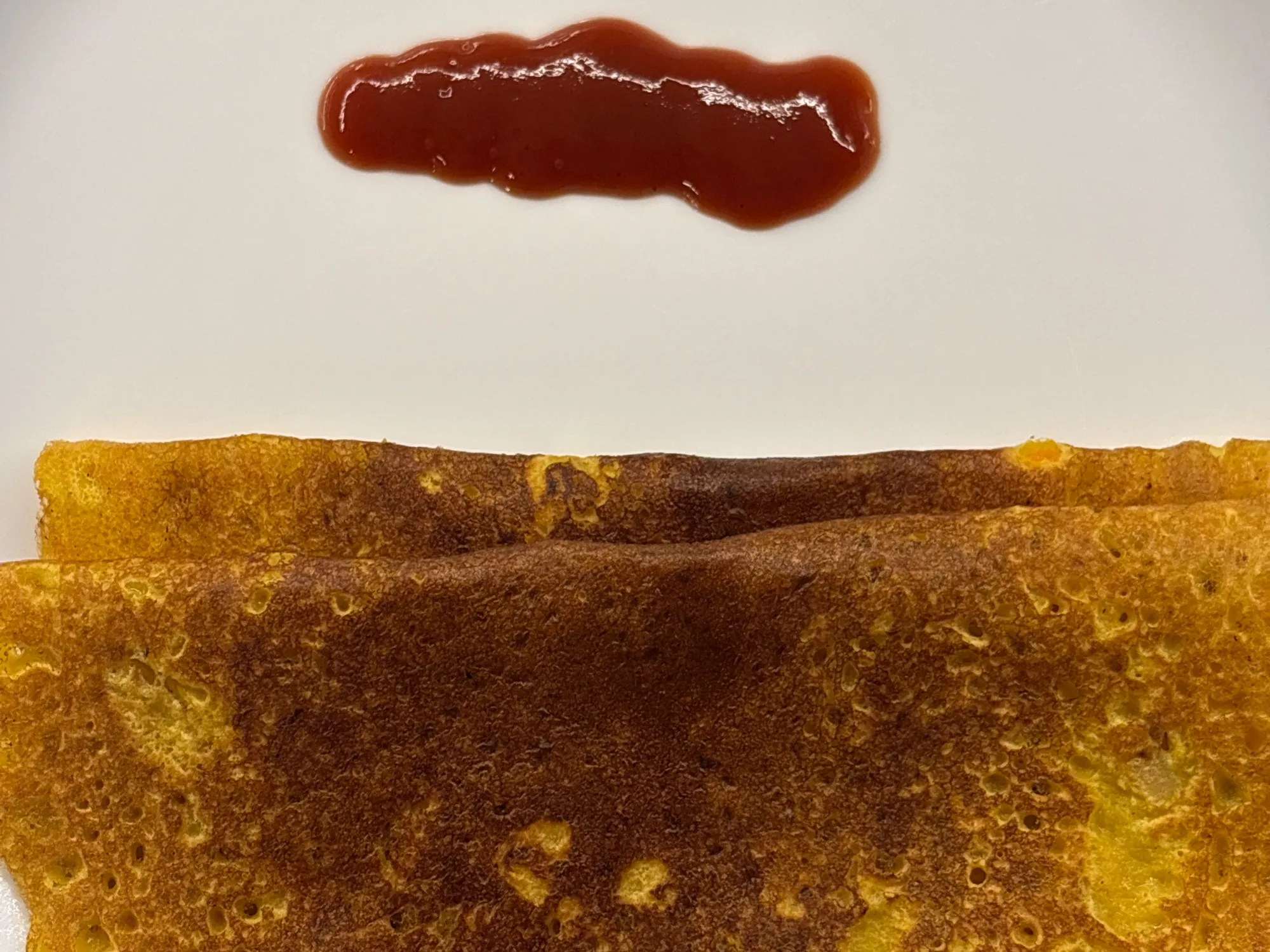
Besan Chilla
A gram flour pancake with vegetables grated into the batter — no soaking, no fermenting, the first one on the plate in half an hour.
21 min11 min hands onserves 4
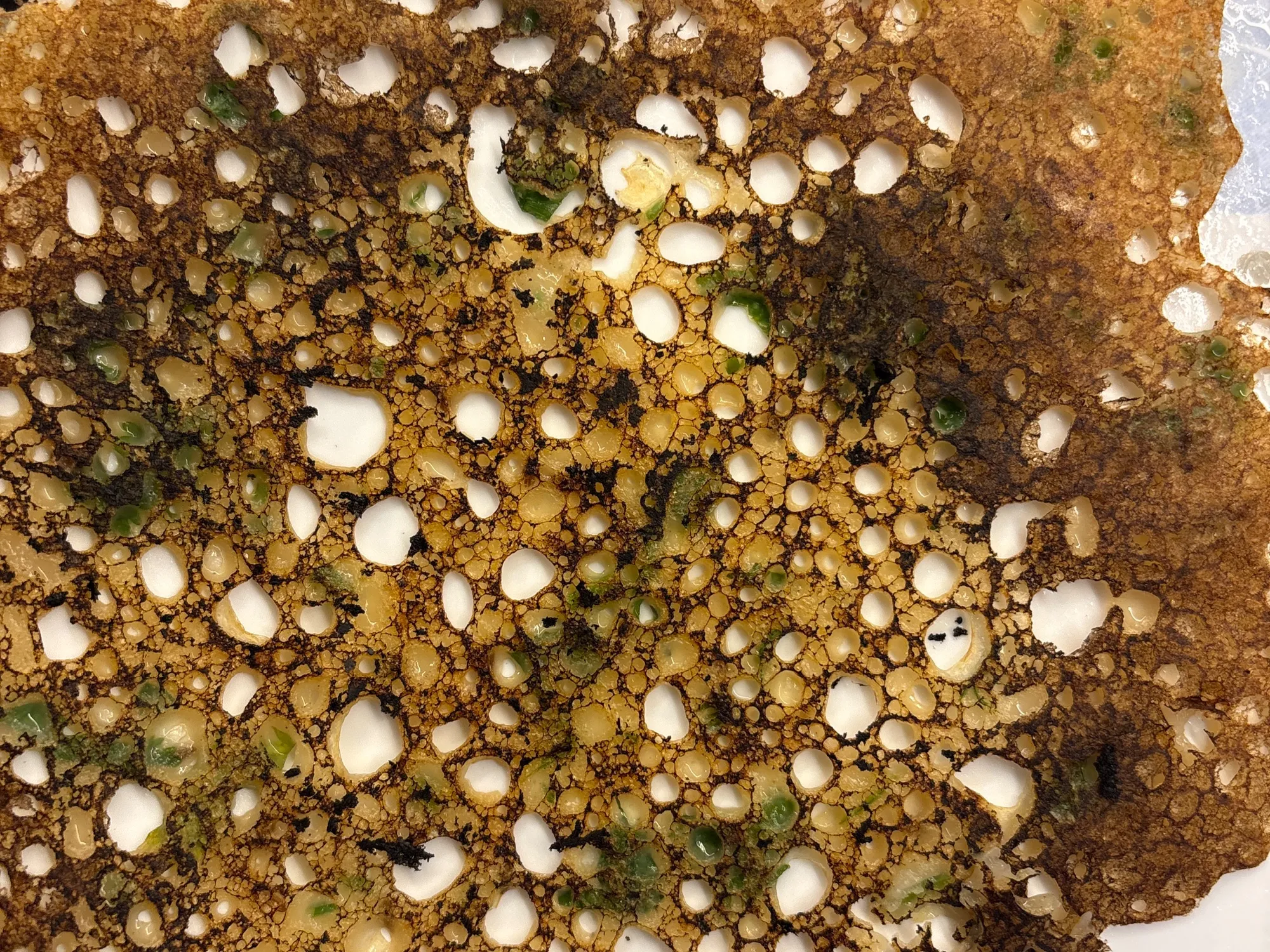
Instant Wheat Dosa
Atta whisked into water with cumin and chilli and poured straight onto the pan — no soaking, no grinding, no waiting.
16 min6 min hands onserves 4
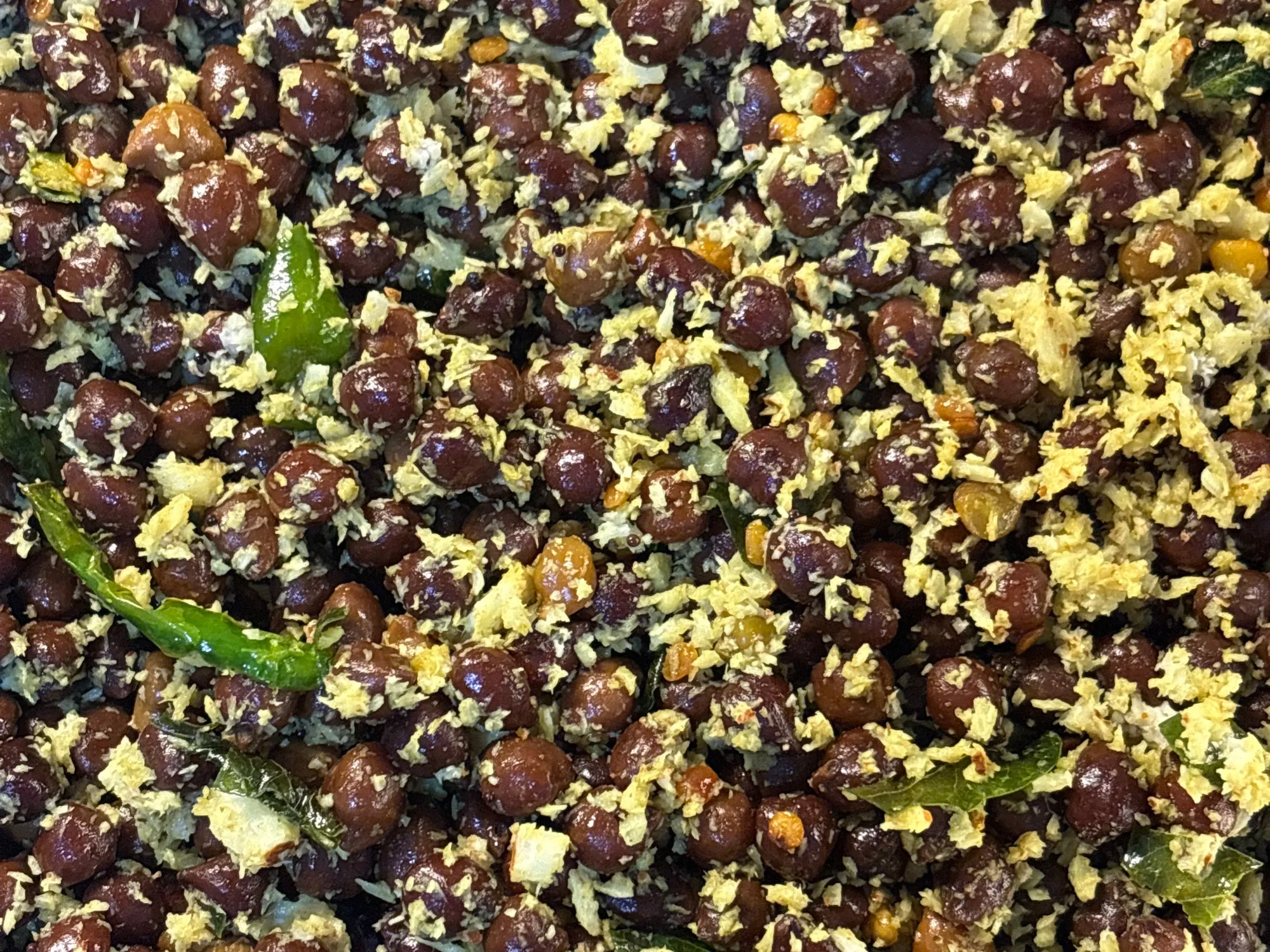
Kadale Kalu Husali
Soaked black chana cooked till it still has bite, then tossed through a mustard-and-urad tempering with coconut and lemon.
8 hr 25 min5 min hands onserves 4
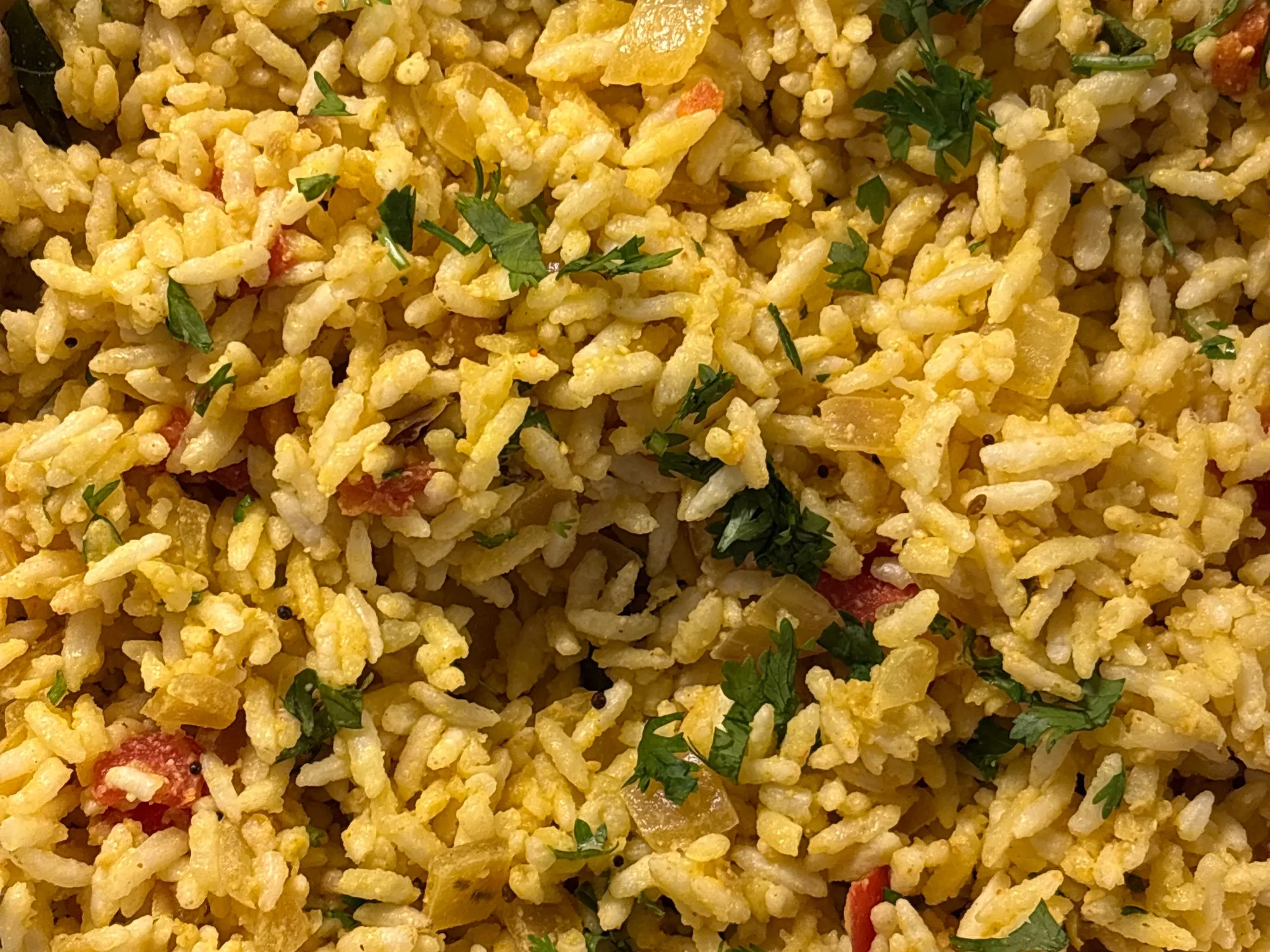
Susla
North Karnataka's puffed rice breakfast, steamed soft with milk poured into the pan at the end rather than left crisp.
16 min13 min hands onserves 4
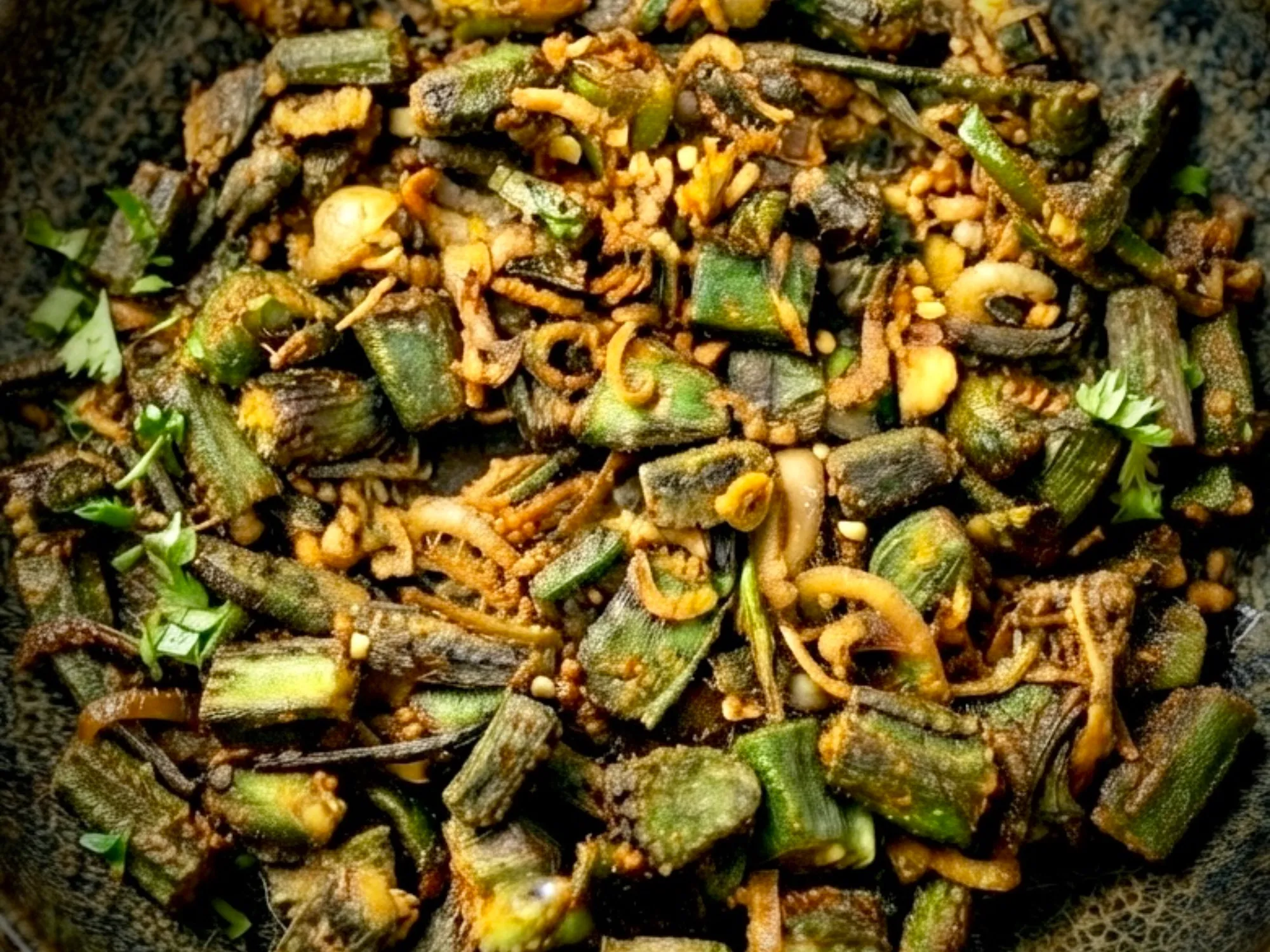
Bhindi Fry Masala
A dry okra fry, cooked uncovered so the slime burns off before the masala goes anywhere near it.
41 min41 min hands onserves 4